I love being part of Gen-X. We are the last feral generation. The group that can easily handle analog life in the modern world. For me, that still includes film photography, crochet, and cursive handwriting.
The need to learn cursive handwriting
While many people today think analog skills are unnecessary, I wholeheartedly disagree. An especially important skill that remains relevant is writing and reading cursive. Known to me as “penmanship” growing up, multiple studies have shown cursive writing helps improve fine motor functions, memory retention, brain development in children, and focus.
The ability to write in cursive also means you can read cursive. And if you want to read historical documents, you better have this skill!
Anyone who has looked at immigration records, census documents, and the Declaration of Independence, will know they were all written in cursive. You can’t truly understand, or appreciate history, unless you can read these documents in their original form.
And now that special skill is needed by the National Archives.
The National Archives wants YOU!
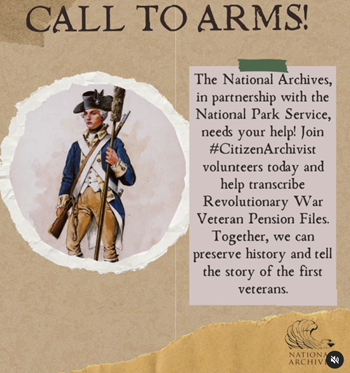
The National Archives is looking for volunteers who can help transcribe and tag its handwritten records; all of which are in cursive. Called the Citizen Archivist Program, the goal is to help “unlock history” by making digital documents more accessible, according to the project’s website.
Now I don’t claim this will be easy. Reading modern-day cursive writing is quite different from the cursive from 75 years ago, let alone 200 years ago. However, if you are up for the challenge, I recommend you check out the full description from the National Archives and see an example of the type of assistance they need. If you aren’t sure you can help with document transcription, there are other opportunities to volunteer.
These are important documents that tell the story of our nation’s history. I hope you will consider taking up the call!

 This Is My New Jersey
Leave a comment